Product Overview

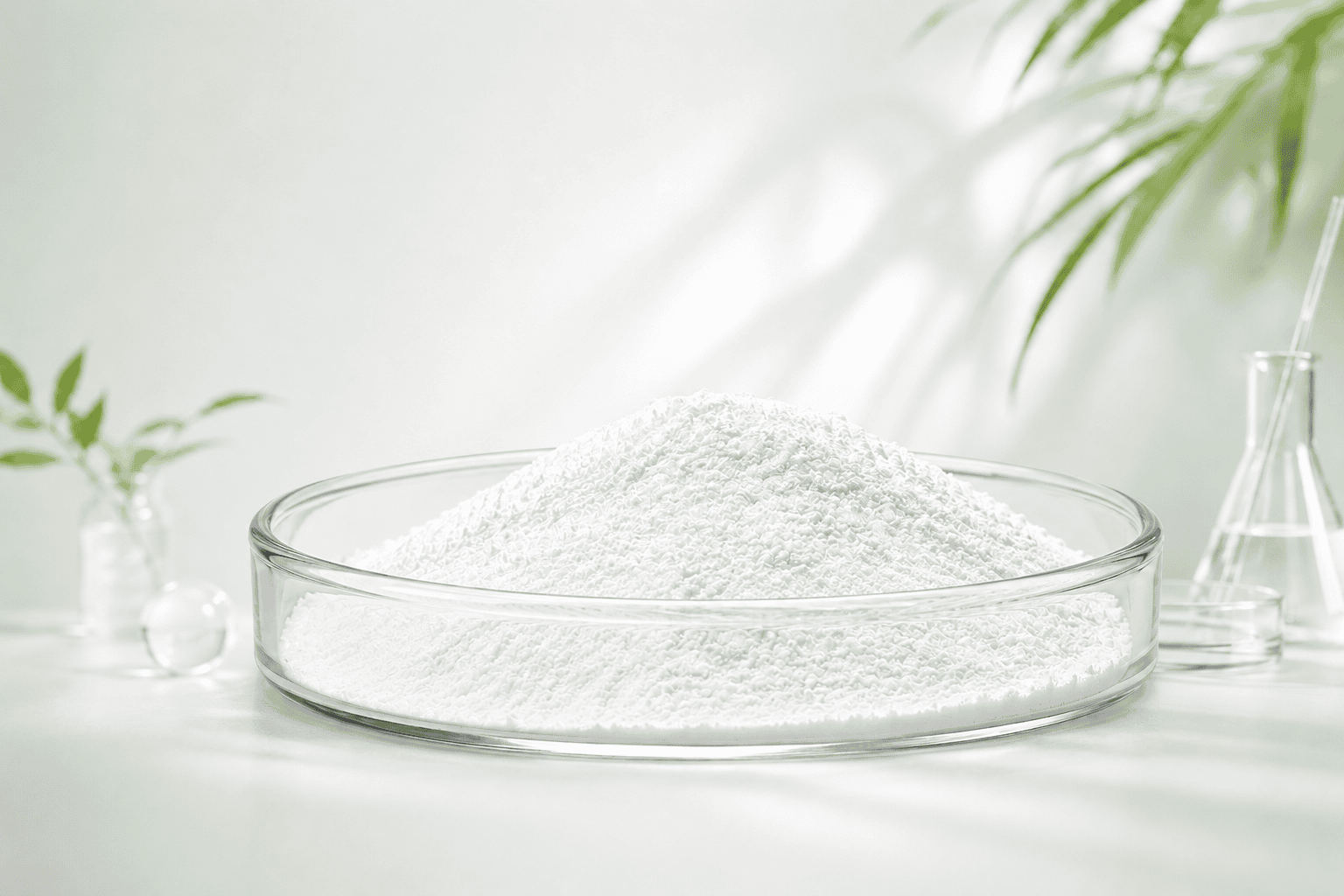
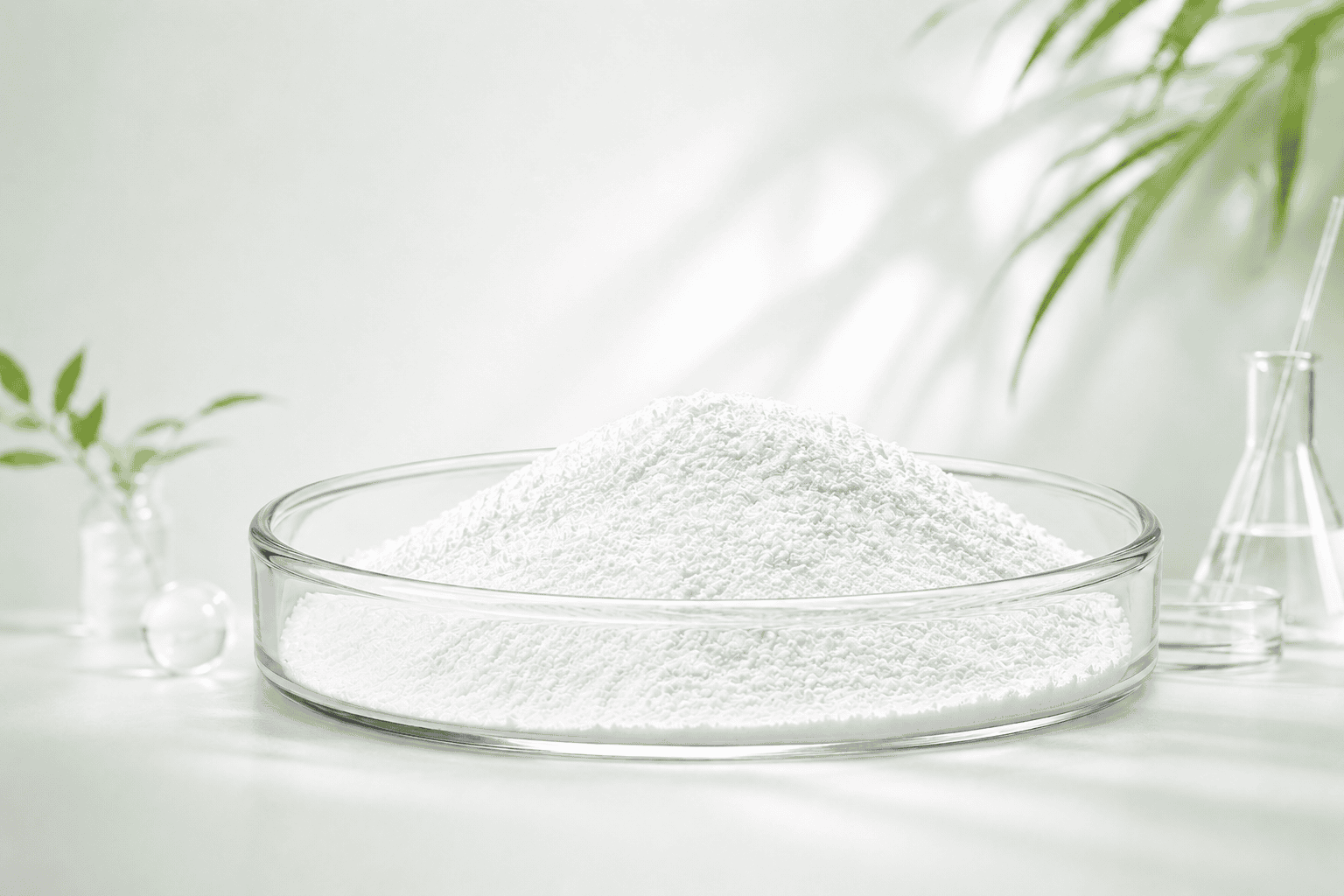
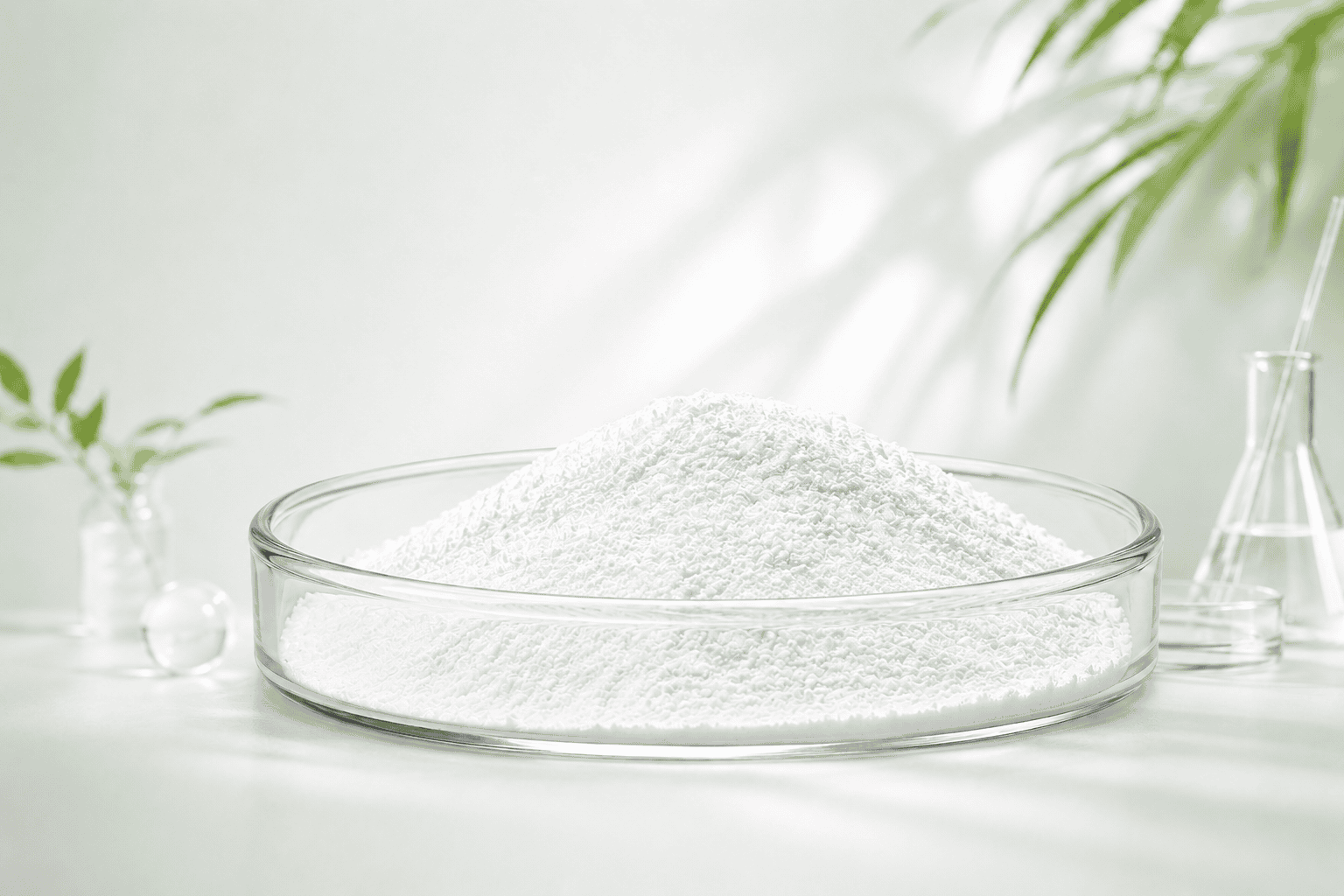
Dehydroacetic Acid is an organic acid preservative known for its highly effective and broad-spectrum preservation properties. As an organic acid preservative, it performs better at low pH, effectively inhibiting the growth of bacteria, fungi, and yeast, while being gentle and low-irritation to the skin, making it suitable for sensitive skin formulations.

Product features:
Organic acid preservation — natural-origin preservation solution
Broad-spectrum efficacy — effectively inhibits bacteria, fungi, and yeast
Low pH compatible — especially suitable for formulation systems with pH <6.5
Low Irritation — Gentle and low-irritation to the skin
Suitable for Sensitive Skin — Ideal for sensitive skin and infant & child formulas
Recommended dosage: 0.1%–0.6%

INCI NameCategoryAntimicrobial SpectrumSystem characteristicsRecommended dosage
Dehydroacetic AcidOrganic Acid Preservation SystemsBroad-spectrum bacteriostatic, antifungal, anti-yeastSuitable for low pH, low irritation, suitable for sensitive skin0.1–0.6%

Applicable system rating

Leave-onRinse-offColor Cosmetics Make upOral careBaby careFemale careWet wipesHome care
★★★★★★★★★★★★★★★★★★★★

Application Guide

Applicable to: leave-on formulations (lotions, serums, creams), rinse-off formulations (shampoos, body washes, cleansers), make-up formulations, oral care products, baby care products, female care products, wet wipes, home care products, etc. Especially recommended for acidic formulation systems with pH < 6.5.

As an organic acid preservative, Dehydroacetic Acid performs better under low pH conditions, with a recommended dosage of 0.1%~0.6%. Adjustments can be made based on the specific formulation pH, target preservation requirements, and microbial challenge test results. It is recommended to use with a preservative booster to enhance broad-spectrum preservation.

Leave-on formulation
Lotions, Serums, Creams
Rinse-off formulation
Shampoo, body wash, facial cleanser
Color cosmetic formulation
Foundation, Lipstick, Eyeshadow
Oral care
Mouthwash, toothpaste
Baby & Child Care
Baby Bath & Skincare
Intimate care products
Mild and low-irritation formulation
Wipes / Household cleaning
Baby wipes, household cleaners

Packaging and storage

Packaging specifications
25KG
Storage conditions
Store sealed in a cool, dry, and ventilated place, away from direct sunlight

Frequently Asked Questions (FAQ)

What formulation systems is dehydroacetic acid suitable for?

+
Dehydroacetic Acid is particularly suitable for acidic formulation systems with pH < 6.5, including leave-on formulations (lotions, serums, creams), rinse-off formulations (shampoos, body washes, facial cleansers), color cosmetic formulations, oral care products, baby and child care products, and intimate care products.

What is the recommended dosage?

+
The recommended dosage is 0.1%–0.6%, which can be adjusted based on the pH value of the specific formulation system, target preservation requirements, and microbial challenge test results. Under lower pH conditions, the dosage can be appropriately reduced.

What are the main advantages of Dehydroacetic Acid?

+
Key advantages of Dehydroacetic Acid include: 1) Organic acid source, naturally gentle; 2) Highly effective and broad-spectrum, effectively inhibiting bacteria, fungi, and yeast; 3) Better performance at low pH; 4) Gentle and low-irritation to the skin; 5) Suitable for sensitive skin and baby care formulations.

How to use dehydroacetic acid in acidic formulations?

+
Dehydroacetic Acid is particularly suitable for acidic formulation systems with pH < 6.5. Usage notes: 1) Ensure the formulation pH is within the effective range; 2) Fully dissolve in the water phase before adding to the formulation; 3) It is recommended to use with a preservative booster (e.g., Caprylhydroxamic Acid) to enhance preservative efficacy; 4) Conduct microbial challenge testing to verify preservative effectiveness.

How to use dehydroacetic acid with caprylhydroxamic acid?

+
Dehydroacetic Acid and Caprylhydroxamic Acid form an ideal preservative combination. Dehydroacetic Acid provides broad-spectrum organic acid preservation, while Caprylhydroxamic Acid chelates metal ions, inhibiting the growth of metal-dependent microorganisms. Together, they achieve more comprehensive and stable preservation, especially suitable for sensitive skin and baby care formulations with high safety requirements.