
Amodimethicone vs Dimethicone for Hair-Conditioner Formulation
The ingredient name is only the first check. Supplied form, full composition and silicone basis must be aligned before comparing conditioner samples.
For a hair-conditioner formula, amodimethicone and dimethicone are not interchangeable buying specifications. Amodimethicone is amino-functional; dimethicone does not have that amino functionality. That identity difference does not alone tell you how a particular supplied grade disperses, deposits or performs in your formula. MOS lists amodimethicone and dimethicone. Start with the full supplied-material identity and form before comparing a sample or quotation.
The useful first split is neat fluid versus supplied emulsion
Commercial silicone materials can be supplied as fluids or formulated emulsions. An emulsion can contain additional surfactants and other components, so its full INCI and silicone-content basis matter. Dow’s technical hair-care guide illustrates both amino-silicone fluids and emulsions; its product properties are not specifications for MOS material. Ask the supplier to identify the actual offered form. An ingredient name or a liquid appearance is insufficient to infer solids, emulsion particle size, viscosity grade or required processing.
| Selection question | Why it matters | What to request or test |
|---|---|---|
| Full identity | One INCI name may not describe a formulated emulsion | Complete offered-grade INCI, TDS/SDS and sample label |
| Supplied form | Neat fluid and emulsion require different incorporation checks | Form, mixing guidance and compatible process conditions |
| Silicone basis | Equal delivered weight may not mean equal silicone loading | Confirmed content basis and agreed comparison method |
| Viscosity information | A number without units/test conditions is not a specification | Method, temperature and grade-specific units |
| Finished-formula behavior | Ingredient identity alone does not establish conditioning or stability | Controlled tress evaluation and complete-formula storage checks |
Compare the proposed grade in a controlled conditioner trial
Keep the existing accepted conditioner as the control. Record the offered grade, full composition, incorporation stage, mixing procedure, temperature and final pH. Agree the silicone basis with the supplier before changing the addition. Do not take an unexplained catalogue percentage or viscosity range as the value for your sample. If a new emulsion introduces other components, record that composition change rather than attributing every result to amino functionality.
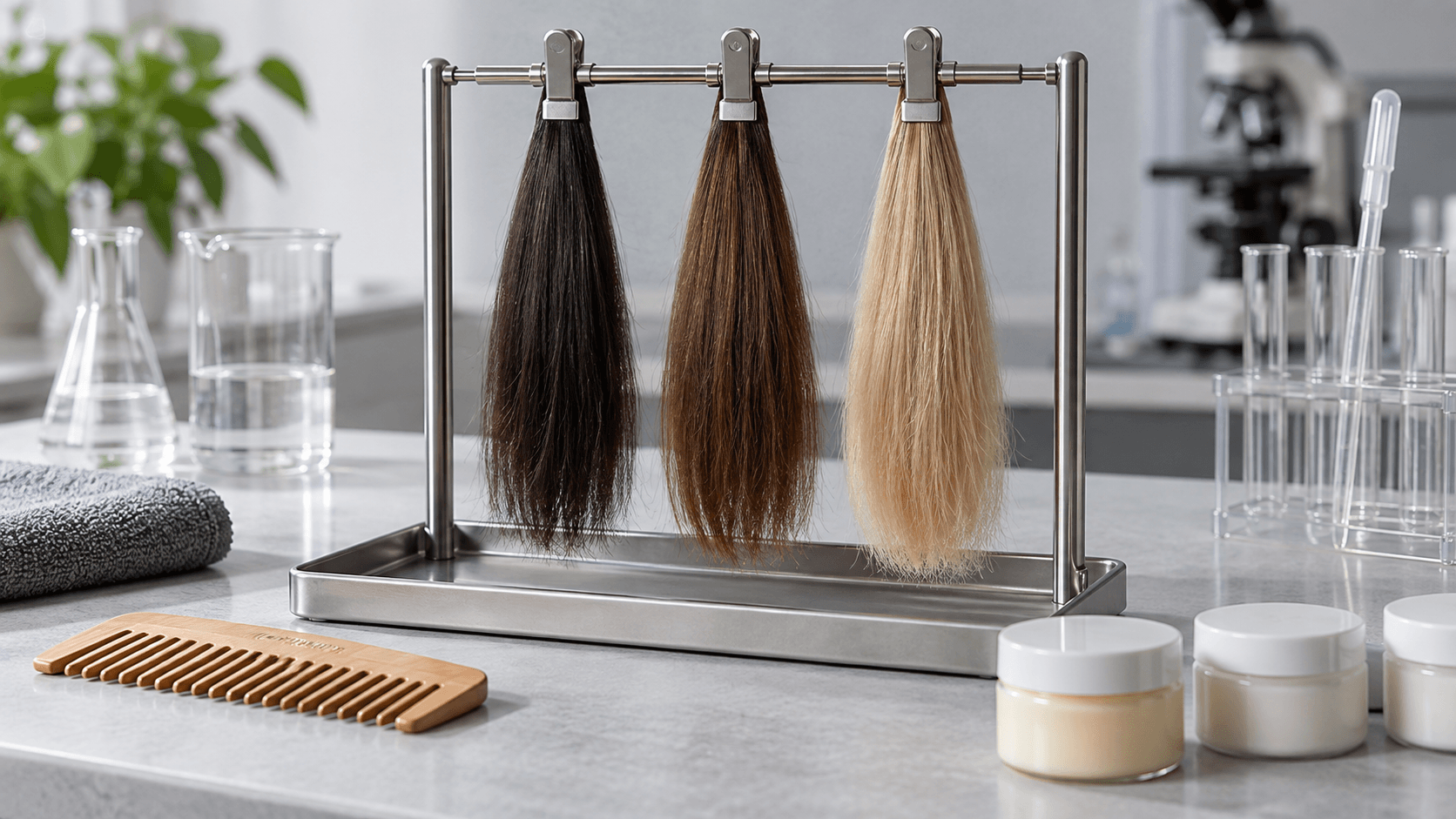
Use comparable hair tresses and the same application, rinse and drying procedure. Define the combing or sensory assessment method and acceptance criteria before reviewing results. Separately check viscosity, phase stability and the relevant storage conditions of the complete formula. One attractive tress result does not confirm shelf stability; a stable emulsion does not prove a conditioning improvement. Both need evidence suited to the intended shampoo, rinse-off conditioner or leave-in application.
Do not turn catalogue benefits into purchase guarantees
Neither the ingredient name nor supplier marketing establishes a guaranteed cuticle-repair effect, selective deposition, absence of buildup or a universal replacement rate. The actual grade, formulation and evaluation method determine the comparison. Malformed parameter rows with unclear labels or units are not adopted here. Confirm the correct grade-specific property data instead of silently guessing what an imported number means.
Send a formulation-specific silicone RFQ
Use the amodimethicone Product page for an amino-functional candidate or the dimethicone Product page for the comparison material. Include the current silicone and supplied form, intended product, required full INCI, formulation/process constraints and sample criteria. State order quantity, annual demand, packaging and destination; request the actual offered-grade TDS/SDS and any agreed batch specification. Ask explicitly whether the proposed material is a fluid or emulsion and how its silicone-content basis is reported.
Hair-silicone purchasing FAQ
Is amodimethicone always better than dimethicone?
No. Choose around the offered grade, supplied form, complete formula and agreed conditioning/stability criteria.
Does amodimethicone mean the supplied material is an emulsion?
No. Confirm the form and complete composition. A silicone ingredient can appear in different commercially supplied materials.
Can the materials be compared at equal delivered weight?
Only after confirming the content basis and the comparison purpose. Different supplied forms may introduce different silicone and auxiliary-component amounts.
What should a hair-silicone sample request specify?
Name the current material/form, full INCI needs, process and finished-product application, comparison method, quantity, packaging, destination and grade-specific documents.